

https://creativecommons.org/licenses/by/2.0
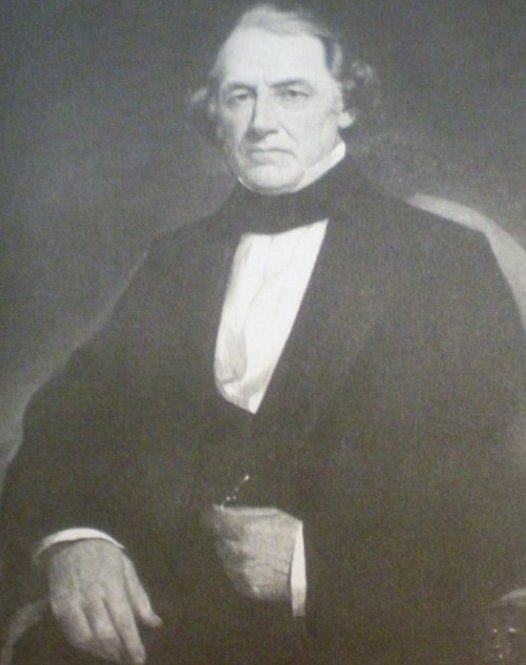
Charles Alston was an 18th-century Charleston rice planter who belonged to the small but powerful class of landowners that shaped South Carolina’s colonial economy and society. Though not as widely documented as major political figures of the era, Alston’s life reflects the plantation system that helped make Charleston one of the wealthiest cities in British North America.
Like many Lowcountry planters, Alston’s prosperity depended on enslaved African labor, access to tidal river land, and participation in Atlantic trade networks. His story illustrates how wealth, land ownership, and forced labor combined to define the economic foundations of colonial South Carolina.
Who Was Charles Alston?
Charles Alston was a rice planter active in the Charleston region during the 1700s. While surviving personal records are limited, his classification as a rice planter places him among the colonial elite who dominated Lowcountry society. Planters like Alston controlled valuable agricultural land and benefited directly from the labor of enslaved Africans, whose expertise made large-scale rice cultivation possible.
Understanding figures such as Alston helps historians better grasp how Charleston’s plantation economy functioned and why the city emerged as a major colonial port.
The World of the Carolina Rice Planter in Colonial South Carolina
By the early 18th century, rice had become the economic backbone of Lowcountry South Carolina. The tidal rivers and swampy inland areas surrounding Charleston created ideal conditions for rice cultivation. Planters who controlled land along these waterways accumulated extraordinary wealth.
Charles Alston belonged to this rice-planting elite. Like other Charleston rice planters, his economic success depended on:
- Ownership of riverfront or tidal land
- Enslaved African labor skilled in rice cultivation
- Integration into Atlantic trade networks exporting rice to Europe and the Caribbean
Rice production required significant capital investment and specialized agricultural knowledge. Much of that knowledge was brought by enslaved Africans from rice-growing regions of West Africa. Although planters claimed ownership over land and people, they relied heavily on enslaved expertise to sustain their wealth.
Plantation Life and Enslaved Labor on South Carolina Rice Plantations
Operating a rice plantation was complex, labor-intensive, and brutal. Fields had to be diked, flooded, drained, and carefully managed according to tidal cycles. Enslaved laborers performed grueling work in harsh conditions, facing extreme heat, insects, disease, and physical punishment.
Social Standing and Influence of Charleston Rice Planters
Rice planters occupied the highest tier of colonial South Carolina society. Wealth generated from rice allowed families like the Alstons to:
- Own townhouses in Charleston
- Participate in local governance and civic life
- Intermarry with other elite planter families
- Influence economic and political decisions without holding formal office
Even when planters did not serve in major political roles, their economic power gave them substantial informal influence. Charleston’s success as a port city was inseparable from the plantation labor system that sustained it.
Charleston Rice Planters and the Atlantic Trade Economy
Charles Alston’s livelihood connected him directly to the wider Atlantic world. Rice grown on plantations near Charleston was shipped through the city’s harbor to destinations such as:
- England
- Southern Europe
- The Caribbean
In return, planters imported manufactured goods, tools, luxury items, and enslaved people. This trade linked Charleston rice planters to global markets and reinforced their dependence on slavery as an economic system.
Legacy
Charles Alston, a Charleston rice planter, was part of the plantation system that defined colonial South Carolina. His life demonstrates how land ownership, enslaved labor, and global trade combined to produce both extraordinary wealth and profound injustice. Though only fragments of his personal story remain, Alston’s role within the rice economy places him squarely inside one of the most influential—and morally complex—economic systems of early American history
 Econ Addicts
Leave a comment