

When markets crash, people lose their minds.
They dump everything, swear off investing, and start Googling “how to live off the grid.”
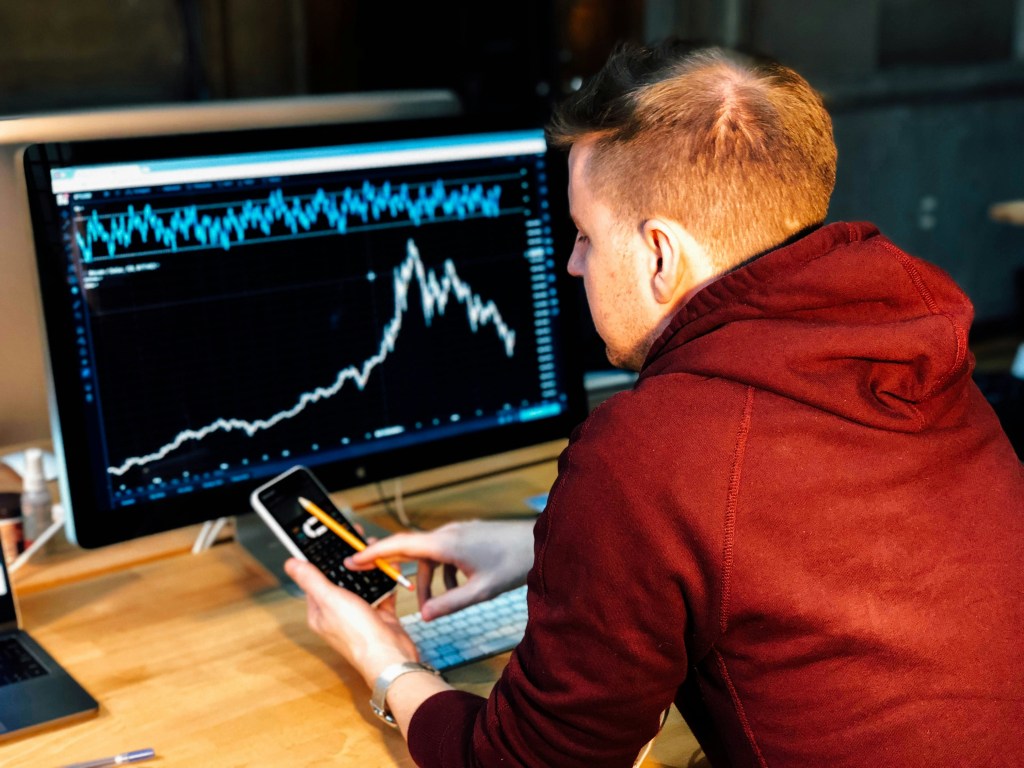
When the stock market crashes, panic spreads faster than reason. History offers a humbling reminder that even the worst-looking market moments aren’t always what they seem.
On October 29th, 1929, a.k.a. Black Tuesday, Wall Street fell apart. Stocks collapsed, fortunes evaporated, and the U.S. economy began its’ slide into the Great Depression. It was one of the most notable and darkest days in financial history.
Most people never talk about what happened on the very next day.
On October 30th, 1929, the market rose roughly 12%.
Investors who had the courage or composure to buy after the crash saw prices surge as panic selling eased. It didn’t erase the pain of the crash, and the following years brought larger declines in stock prices, but it revealed something timeless about markets and human behavior:
Fear usually overshoots reality.
Even in the middle of one of the worst economic collapses in history, the market found a pulse. That single day proved that the same emotions that crash markets, panic and fear, also create opportunity for those who stay grounded.
Why Investors Panic
When people see red numbers, they don’t think in probabilities, they think in survival.
Our brains are wired for fight or flight, not buy and hold.
That’s why during every crash, whether it was 1929, 1987, 2008, or 2020, the pattern repeats:
- Fear drives selling.
- Selling drives more fear.
- Irrationality magnifies.
The paradox is that the biggest opportunities often appear when things look the worst.
Most investors only recognize that after the rebound has already started.
The Timeless “Buy the Dip” Mentality
“Buy the dip” has become a meme, but it’s also one of the oldest market principles in existence. The investors who stepped in on October 30th weren’t trend chasers. They were value seekers. They understood that panic discounts everything indiscriminately, even good companies with real earnings and assets.
While the rally after Black Tuesday didn’t stop the Great Depression, it did remind the world that markets are emotionally charged machines. Prices move on sentiment in the short run and on fundamentals in the long run.
When fear is high, prices disconnect from reality.
And that’s where opportunity lives.
Modern Parallels: 2008 and 2020
In 2008, during the financial crisis, the S&P 500 fell over 50%. Investors abandoned stocks in record numbers, right before one of the greatest bull markets in history.
In 2020, when COVID-19 hit, markets collapsed 30% in a matter of weeks. The next month, they started recovering. Those who froze missed one of the fastest rebounds ever recorded.
The pattern has been consistent for nearly a century. Panic creates mispricing. Calm creates profit.
The Real Lesson of 1929
The day after Black Tuesday didn’t mark the end of the crash. It marked the beginning of a mindset.
A mindset built on composure, patience, and the ability to think when everyone else reacts.
The investors who can separate emotion from logic don’t always win every trade, but they survive, and that consistency leads to compounding growth over time.
So the next time the market drops 5%, 10%, or 30%, remember:
The world doesn’t end. Assets just go on sale.
Key Takeaways
- The market rose roughly 12% the day after Black Tuesday (1929), proof that panic selling often overshoots.
- Investor psychology, not fundamentals, drives short-term volatility.
- “Buy the dip” works only when paired with rational analysis, not emotion.
- Staying calm during downturns often leads to long-term gains.
Final Thought
Markets move through cycles of greed and fear, but human nature rarely changes through time.
Every generation of investors must learn the same lesson in their own way.
The biggest returns don’t come from timing perfection. They come from emotional control.
And sometimes, the smartest move you can make is to simply not panic when fearful situations arise.
 Econ Addicts
Leave a comment